
Speedometer
Speedometer Replacement & Diagnostics | OEM Speedometer Parts
Find the right speedometer for your vehicle at AutoPartEx. Our selection includes OEM and high-quality aftermarket speedometers, designed for precise fitment and reliability. Whether you need a replacement for a malfunctioning gauge or are upgrading your dashboard, explore our instrument cluster parts to keep your vehicle’s speed readout accurate and compliant.
Many drivers don’t realize that a failing speedometer can subtly undermine both safety and performance. Inaccurate readings can cause you to unknowingly exceed speed limits or misjudge acceleration and braking distances, leading to fines or unsafe driving conditions.
Speedometer malfunctions often result from sensor failure, worn cables, damaged gears, or electronic faults in modern instrument clusters. These issues can lead to fluctuating, stuck, or non-responsive speed readouts. Over time, even minor inaccuracies can affect vehicle compliance with regulations and create compounding issues with odometer tracking and cruise control functionality.
Diagnosing speedometer issues typically involves checking the vehicle speed sensor, wiring harness integrity, and the instrument cluster’s electronic circuits. Replacing your speedometer with an OEM or certified aftermarket unit restores accuracy and ensures compatibility with your vehicle’s onboard systems. When selecting a replacement, always verify model-specific fitment and consider professional calibration or programming for electronic units. AutoPartEx provides trusted parts, technical support, and service guides to streamline your repair process.
Showing 1 of 1 products
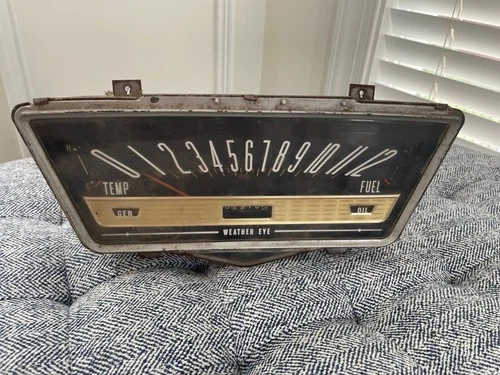
More Speedometer options
Filtering for SpeedometerBrowse nearby inventory for this category without leaving the page. Use search to filter by price, part number, or city.
No Data Available
Please check back soon when more inventory is available for this part.
Speedometer Technical Reference & Application Guide
Speedometer Types and Operation
There are two main types of speedometers: mechanical and electronic. Mechanical speedometers use a cable driven by the transmission to spin a magnetic or physical pointer, while electronic speedometers rely on signals from a vehicle speed sensor. Understanding the differences is critical for accurate diagnosis and replacement.
Common Failure Points
Frequent causes of speedometer failure include worn-out speed sensors, frayed cables, faulty instrument clusters, and electrical connection issues. Modern vehicles often integrate the speedometer with the vehicle's onboard diagnostic systems, increasing the need for specialized replacement parts.
Installation and Calibration
Proper installation requires attention to wiring diagrams, secure mounting, and—on electronic models—precise calibration using OEM software or scan tools. Calibration ensures the speedometer matches the vehicle’s actual speed and complies with regulatory standards.
The evolution of the speedometer dates back to the early 20th century, where mechanical systems utilized rotating cables connected to the vehicle’s transmission. These mechanical assemblies consisted of a spinning magnet and a metal cup attached to a pointer, which would reflect the vehicle’s speed based on the rate of rotation. As automotive technology progressed, the industry shifted towards electronic speedometers, beginning in the late 1980s and rapidly becoming standard by the mid-1990s. Electronic speedometers use a vehicle speed sensor, which sends digital signals to the instrument cluster’s microcontroller. This shift enabled greater accuracy, improved modular design, and expanded functionality such as digital displays, trip computers, and integration with systems like ABS and cruise control.
A reliable speedometer is essential not only for monitoring speed but also for ensuring accurate odometer readings, which impact maintenance schedules and resale value. Regulatory bodies, such as the National Highway Traffic Safety Administration (NHTSA), require that speedometers meet specific accuracy standards to promote road safety. Modern vehicles often feature speedometers that are fully integrated into the dashboard’s network of sensors and controllers. This integration means a malfunctioning speedometer can cause cascading issues, such as erratic transmission shifting or miscommunication with driver-assist features.
Diagnosing speedometer faults involves a systematic approach. Mechanics begin by checking for error codes using OBD-II scanners, followed by physical inspection of the speed sensor, wiring, and connectors. For mechanical systems, cable inspection and lubrication are performed. In electronic systems, software updates or reprogramming may be necessary after replacement. Some vehicles require speedometer calibration using manufacturer-specific scan tools to ensure compliance with accuracy standards.
When choosing a replacement speedometer, it’s vital to select a part compatible with the vehicle’s year, make, and model. OEM replacements guarantee factory performance, while high-quality aftermarket options can offer enhanced durability or additional features. Installation complexity varies: mechanical speedometers may require dash disassembly and cable routing, while electronic units demand careful handling of circuit boards and digital displays. Professional installation is recommended for newer vehicles, especially those with immobilizer-linked instrument panels.
AutoPartEx offers a comprehensive catalog of speedometers and related components, supported by detailed fitment data and technical documentation. Our customer support and service guides empower both DIY enthusiasts and professional technicians to complete repairs with confidence, restoring speedometer accuracy and ensuring regulatory compliance.
Engineering Excellence & Technical Specifications
AutoPartEx speedometers exemplify precision engineering, strict regulatory compliance, and innovative design. Each unit is meticulously tested for accuracy, durability, and compatibility, ensuring seamless integration with your vehicle’s electronic architecture and safety systems.
Technical Excellence
Our speedometers feature advanced sensor interfaces, high-resolution drive mechanisms, and robust circuit boards. Mechanical units use precision-machined gears and magnets, while electronic models utilize microprocessor-driven stepper motors and sealed digital displays for long-term reliability.
Performance Analysis
Each speedometer undergoes dynamic testing to verify accuracy across the full range of vehicle speeds. OEM calibration standards are maintained, and diagnostic checks ensure signal integrity from speed sensors to display output.
Innovation & Technology
AutoPartEx sources the latest digital and hybrid speedometer technologies, including CAN-bus compatibility, customizable digital displays, and self-diagnostic features. Our catalog supports legacy vehicles and the newest platforms with equal precision.
Quality & Manufacturing
Speedometers are produced using high-grade materials and automated assembly processes. Each batch is subjected to rigorous quality control, including vibration, temperature, and moisture resistance tests to guarantee performance under real-world conditions.
Speedometer Parts & Service Information
Speed Sensor Testing
Test your vehicle speed sensor using a multimeter or scan tool to identify faulty output before replacing the speedometer.
Difficulty: Easy • Tools: Digital multimeter, OBD-II scanner
Mechanical Speedometer Replacement
Remove the dashboard trim, disconnect the speedometer cable, and install a new unit. Ensure cable routing is smooth to prevent premature wear.
Difficulty: Moderate • Tools: Socket set, screwdrivers, trim tool
Electronic Cluster Calibration
After installing a new electronic speedometer or cluster, use OEM scan tools to calibrate for accurate speed and odometer readings.
Difficulty: Expert • Tools: OEM scan tool, calibration software
Troubleshooting Intermittent Readings
Systematically check connectors, wiring, and ground points for corrosion or loose contacts to resolve intermittent speedometer operation.
Difficulty: Moderate • Tools: Wiring diagrams, contact cleaner, pliers
References
- Vehicle Safety and Equipment - National Highway Traffic Safety Administration, accessed 2024-06-01Supports regulatory requirements, safety standards, and compliance information for speedometers.
- Fuel Efficiency - United States Department of Energy, accessed 2024-06-01Used as background for the impact of speedometer accuracy on fuel efficiency and vehicle performance.
- Materials Technologies - United States Department of Energy, accessed 2024-06-01Provides insight into advanced materials and manufacturing processes used in modern speedometers.
Related Guides & Articles

How to Diagnose a Faulty Speedometer
Step-by-step guide to diagnosing common speedometer faults, including sensor testing and cluster inspection. Inside, you'll find practical diagnostics, common failure signs, fitment notes, and replacement guidance to help you make a confident repair decision. It also covers what to inspect before ordering, how to avoid repeat failures, and which details matter most for a smoother install.
View Guide
Digital vs Mechanical Speedometers: Pros & Cons
Explore the differences between digital and mechanical speedometers, and learn which is best for your vehicle. Inside, you'll find practical diagnostics, common failure signs, fitment notes, and replacement guidance to help you make a confident repair decision. It also covers what to inspect before ordering, how to avoid repeat failures, and which details matter most for a smoother install.
Read More
Speed Sensor Replacement for Accurate Readings
Learn how to replace a vehicle speed sensor to restore speedometer function and maintain compliance. Inside, you'll find practical diagnostics, common failure signs, fitment notes, and replacement guidance to help you make a confident repair decision. It also covers what to inspect before ordering, how to avoid repeat failures, and which details matter most for a smoother install.
View Guide
Why Speedometer Calibration Matters
Discover why calibrating your speedometer is crucial after repairs or tire changes. Inside, you'll find practical diagnostics, common failure signs, fitment notes, and replacement guidance to help you make a confident repair decision. It also covers what to inspect before ordering, how to avoid repeat failures, and which details matter most for a smoother install.
Read More