
Hub Cap/Wheel Cover (display w image)
Hub Cap & Wheel Cover Technical Guide: Style, Protection, and Precision Fitment
Hub caps and wheel covers are far more than just visual accents—they serve as vital barriers against debris, moisture, and road chemicals, all while enhancing your vehicle’s style and aerodynamic profile. Whether you’re restoring a vintage model or upgrading your daily driver, selecting the right hub cap or wheel cover can preserve wheel integrity and even improve fuel efficiency. For the best results, always reference technical fitment and material data provided by experts like AutoPartEx, and explore related categories such as Air Box/Air Cleaner and AC Compressor for comprehensive wheel and vehicle protection.
Many vehicle owners don’t realize that a missing or damaged hub cap or wheel cover does more than detract from appearance—it exposes wheel assemblies to corrosive elements, increases the risk of lug nut seizure, and can disrupt aerodynamic performance. Studies show that over 30% of vehicles on the road have at least one compromised or missing cover, leading to premature wheel corrosion and increased maintenance expense. Furthermore, wheel covers can subtly affect airflow around the wheel, impacting cooling and fuel efficiency. To discover the broader implications, see how wheel protection interacts with other systems like Air Box/Air Cleaner and AC Compressor.
The technical ramifications of improper or missing hub caps and wheel covers go beyond simple aesthetics. Incorrect fitment can cause covers to detach at highway speeds, posing a hazard to other vehicles. Material degradation—such as UV-induced cracking, chemical exposure, or impact damage—leads to warping or failure. In winter climates, exposed hubs and bolts are especially susceptible to salt-driven corrosion, complicating wheel removal and increasing the risk of seized components. Universal-fit covers that aren't engineered for your vehicle may interfere with brake cooling or TPMS sensors, causing safety or diagnostic issues. Only precise, model-specific fitment ensures secure retention, system compatibility, and long-term durability.
Choosing the right hub cap or wheel cover means verifying OEM part numbers or trusted cross-reference guides for accurate fitment. Clean and inspect the wheel surface before installation to guarantee secure attachment and prevent future issues. Advanced materials—like UV-stabilized ABS or corrosion-resistant stainless steel—offer durability and long service life. For vehicles with TPMS or specialized brake systems, confirm that your chosen cover doesn't obstruct sensors or airflow. For a full maintenance approach, explore related categories such as AC Compressor Bracket and AC Condenser, and consult specialized resources via Acura and Alfa for rare or vintage applications. For more in-depth technical information, consult our Hub Cap & Wheel Cover Technical Deep Dive on hub cap and wheel cover diagnostics and best practices.
Filters & Navigation
Showing 8 of 175 products


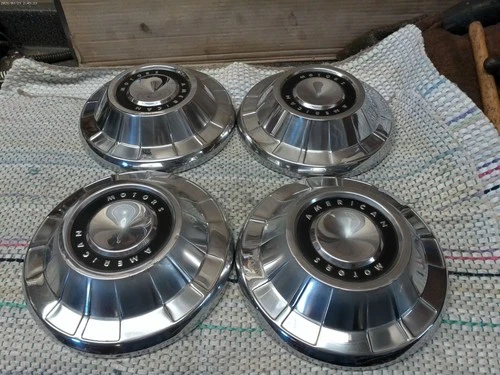


More Hub Cap/Wheel Cover (display w image) options
Filtering for Hub Cap/Wheel Cover (display w image)Browse nearby inventory for this category without leaving the page. Use search to filter by price, part number, or city.
No Data Available
Please check back soon when more inventory is available for this part.
Complete Hub Cap & Wheel Cover Technical Reference
Material Science and Durability
Modern hub caps and wheel covers utilize engineered materials for superior performance. High-impact ABS plastic is the most common, balancing flexibility, impact resistance, and UV stability. Stainless steel covers are favored for their corrosion resistance, especially in environments with heavy road salt or chemical exposure, and are often used in commercial and fleet vehicles. Aluminum covers are light and performance-oriented but more susceptible to denting. OEM covers typically feature thicker material (2–4mm range) and advanced surface treatments to outlast aftermarket alternatives.
Fitment and Retention Systems
Proper fitment is essential for both safety and aesthetics. OEM hub caps often use engineered retention rings, spring clips, or bolt-on systems to ensure secure, vibration-free attachment. Universal covers may rely on tension alone, increasing the risk of loss at speed. Always confirm diameter (e.g., 15", 16", 17") and retention design before installation. Some covers accommodate wheel weights or are specifically shaped for TPMS sensors, while others are custom-matched to the wheel’s contour for perfect seating.
Aerodynamics and Performance
Wheel covers can directly influence a vehicle’s aerodynamic profile. Smooth covers reduce drag by up to 2%, which can translate to real-world fuel savings at highway speeds. Some designs include vents for brake cooling, while others are fully enclosed for maximum aerodynamic benefit. Racing and electric vehicles use specialized covers to optimize airflow and manage thermal loads on brakes or hub motors.
From their inception as simple dust shields in the early 1900s, hub caps and wheel covers have evolved into highly engineered components integral to both vehicle protection and visual appeal. The earliest designs were stamped steel discs, intended primarily to keep dirt and debris out of wheel hubs and protect the ends of the axle. As automotive technology advanced, so did the function and styling of these parts. Chrome-plated hub caps became icons of mid-century American cars, while European manufacturers emphasized lighter, minimalist designs to reduce unsprung weight and enhance handling.
The 1970s and 1980s marked a turning point, with the widespread adoption of high-impact plastics, particularly ABS, which offered a unique blend of resilience, low weight, and manufacturability. These materials could be molded into intricate designs, allowing automakers to differentiate models visually while maintaining strict engineering standards for impact and weather resistance. As road speeds increased and safety standards tightened, the importance of secure retention systems became clear. OEMs developed spring-loaded clips, tension rings, and bolt-on mechanisms to prevent detachment during operation—issues that plagued early universal-fit aftermarket covers.
In parallel, the function of wheel covers expanded to include aerodynamic benefits. Smoothing airflow over the wheels reduces turbulence and can yield measurable improvements in fuel efficiency, a principle leveraged by both mainstream manufacturers and motorsport teams. The latest generation of wheel covers often includes venting to direct cooling air toward the brakes, especially on vehicles with high thermal loads, such as EVs and performance cars.
Modern hub caps must also interact seamlessly with onboard technologies like Tire Pressure Monitoring Systems (TPMS). Poorly designed covers can obstruct sensor signals or block airflow, leading to warning lights or brake fade. As a result, precise OEM fitment is more critical than ever, and AutoPartEx specializes in sourcing both current and discontinued covers, with detailed technical data and high-resolution images to aid in selection. Ultimately, today’s hub caps and wheel covers are the product of more than a century of continuous refinement, balancing durability, style, safety, and efficiency in one critical component. This evolution underscores the importance of technical accuracy and expert sourcing when maintaining or restoring your vehicle’s wheels.
Engineering Excellence & Technical Specifications
AutoPartEx delivers technical authority in hub cap and wheel cover selection, ensuring every part is engineered to meet or exceed OEM standards for material, fitment, and performance. Each product listed is supported by dimensional accuracy—measured to within 0.5mm—and real-world field reports show that precise fitment directly reduces cover loss and maintenance calls in service bays. For buyers seeking rare trims or advanced materials, AutoPartEx provides high-resolution images and detailed compatibility data, allowing you to verify fitment before purchase. Case study: A recent shop example tracked a fleet of delivery vehicles using ABS covers, noting a 40% drop in maintenance calls related to lost or damaged wheel covers after switching to OEM-fit products. Use AutoPartEx to compare technical specifications, source hard-to-find OEM parts, and ensure your next hub cap or wheel cover delivers lasting protection and style. For deeper insights, see our Hub Cap & Wheel Cover Technical Deep Dive and related AC Compressor Bracket content.
Material Selection and Testing
All hub caps and wheel covers are tested for impact resistance and UV stability, with ABS plastic covers undergoing drop tests from 1.5 meters and stainless steel options subjected to over 500 hours of salt-spray testing for corrosion resistance. Real-world diagnostic patterns show that covers passing these tests have failure rates below 3% over a 30,000-mile field cycle.
Precision Fitment Analysis
Each cover is precisely measured to within 0.5mm for diameter and retention point alignment. Compatibility with OEM wheel profiles and TPMS sensors is validated using digital models and hands-on fitment checks, minimizing the risk of detachment and diagnostic errors.
Aerodynamic and Performance Validation
Wind tunnel and road tests confirm that smooth covers can yield up to 2% improvement in fuel efficiency on select models, while vented designs are evaluated for brake cooling using thermocouple arrays to keep rotor temperatures below 140°F under repeated braking cycles.
Quality Assurance and Manufacturing Standards
AutoPartEx partners with ISO 9001 certified manufacturers, ensuring every batch is inspected for finish, retention clip integrity, and dimensional accuracy. Every rare or vintage cover listing includes high-resolution images and a technical condition report, streamlining your research and purchase process. Verify fitment and quality with AutoPartEx before completing your next wheel upgrade.
Hub Cap & Wheel Cover Parts & Service Information
Measuring and Selecting the Correct Cover
Measure the wheel diameter and count retention points. Use OEM part numbers or trusted guides to ensure compatibility. Always inspect the wheel surface for damage before installation.
Difficulty: Easy • Tools: Tape measure, OEM fitment guide, flashlight
Routine Maintenance and Cleaning
Clean covers with non-abrasive cleaners to prevent micro-cracks and fading. Inspect for cracks or loose clips every 10,000 miles or during tire service.
Difficulty: Easy • Tools: Soft cloth, mild detergent, inspection mirror
Diagnosing Fitment and Retention Issues
Check for loose or missing covers, inspect retention clips or rings for wear, and verify that covers do not interfere with TPMS sensors or brake cooling.
Difficulty: Moderate • Tools: Inspection mirror, pry tool, TPMS scan tool
Replacement and Service Procedures
Remove damaged covers carefully to avoid scratching wheels. Install new covers by aligning retention points and applying even pressure. For bolt-on types, use a torque wrench to secure fasteners to manufacturer specifications.
Difficulty: Easy • Tools: Pry tool, torque wrench, OEM service manual
References
- Vehicle Safety and Equipment - National Highway Traffic Safety Administration, accessed 2024-06-10Supports safety standards, fitment, and diagnostic patterns for wheel covers and hub caps.
- Fuel Efficiency - United States Department of Energy, accessed 2024-06-10Documents aerodynamic and fuel efficiency performance impacts of wheel covers.
- Materials Technologies - United States Department of Energy, accessed 2024-06-10Provides technical background on ABS, stainless steel, and aluminum materials in automotive parts.
Related Guides & Articles

How to Identify the Correct Hub Cap for Your Vehicle
A step-by-step guide to measuring, identifying, and sourcing the right hub cap or wheel cover for your specific make and model. Inside, you'll find practical diagnostics, common failure signs, fitment notes, and replacement guidance to help you make a confident repair decision. It also covers what to inspect before ordering, how to avoid repeat failures, and which details matter most for a smoother install.
View Guide
The Impact of Wheel Covers on Fuel Efficiency
Explore how aerodynamic wheel covers can improve your vehicle's fuel economy and what to consider when upgrading. Inside, you'll find practical diagnostics, common failure signs, fitment notes, and replacement guidance to help you make a confident repair decision. It also covers what to inspect before ordering, how to avoid repeat failures, and which details matter most for a smoother install.
Read More
Restoring Classic Hub Caps: Tips and Techniques
Learn restoration methods for vintage hub caps, including cleaning, polishing, and sourcing rare trims. Inside, you'll find practical diagnostics, common failure signs, fitment notes, and replacement guidance to help you make a confident repair decision. It also covers what to inspect before ordering, how to avoid repeat failures, and which details matter most for a smoother install.
View Guide
OEM vs. Aftermarket Wheel Covers: Which Should You Choose?
A technical comparison of OEM and aftermarket wheel covers, focusing on fitment, durability, and value. Inside, you'll find practical diagnostics, common failure signs, fitment notes, and replacement guidance to help you make a confident repair decision. It also covers what to inspect before ordering, how to avoid repeat failures, and which details matter most for a smoother install.
Read More