
Emblem
Automotive Emblems: Precision, Identity, and Restoration Guide
Automotive emblems are more than decorative badges—they are the signature of a vehicle’s brand, model, and heritage. Whether it’s the iconic hood ornament, a trunk badge, or a fender script, emblems communicate status, authenticity, and attention to detail. For collectors, restorers, and daily drivers alike, the right emblem is essential for preserving value and pride of ownership.
Most vehicle owners don’t realize how much an emblem impacts perception and resale value. A missing or faded emblem can reduce a car’s value by up to 10%, and incorrect replacements can signal accidents or poor restoration. Emblems are also functional, often covering mounting holes or integrating with sensors. Many overlook the technical fitment—emblems are engineered for specific contours, paint thickness, and even airflow, just like the Air Box/Air Cleaner or AC Compressor. Subtle differences in mounting tabs, adhesives, or finishes can mean the difference between a seamless restoration and a glaring mismatch.
The challenges with emblems go beyond aesthetics. Sourcing the correct emblem for a specific year, trim, or special edition is a technical task—manufacturers like AMC, Acura, and Alfa have changed emblem designs mid-year or between markets. Modern emblems may include integrated sensors, illumination, or even radar-transparent materials for ADAS systems. Incorrect installation can damage paint, cause leaks, or interfere with electronics. Furthermore, counterfeit or reproduction emblems often lack the UV resistance, mounting precision, or finish quality of OEM parts, leading to premature fading or detachment.
The solution is a data-driven approach to emblem selection and installation. Use VIN decoding and OEM diagrams to confirm part numbers, finishes, and mounting methods. When replacing an emblem, clean the surface thoroughly, use the correct adhesive or mounting hardware, and align precisely with body lines. For advanced emblems—such as those integrating sensors or illumination—reference the vehicle’s wiring diagrams and test all functions post-install. AutoPartEx provides access to rare, discontinued, and OEM emblems, as well as related components like the AC Compressor Bracket, AC Condenser, and AC Condenser Fan, ensuring a complete and technically correct restoration.
Filters & Navigation
Showing 8 of 82 products


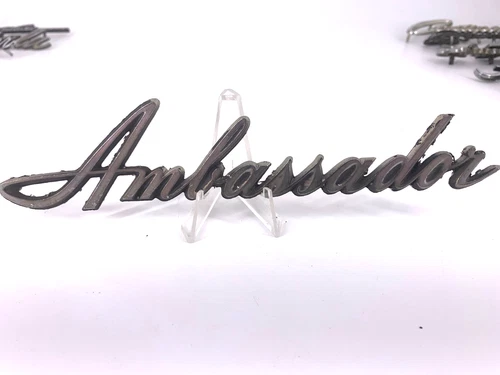
More Emblem options
Filtering for EmblemBrowse nearby inventory for this category without leaving the page. Use search to filter by price, part number, or city.
No Data Available
Please check back soon when more inventory is available for this part.
Complete Emblem Technical Reference
Emblem Materials and Manufacturing
Automotive emblems are produced using a range of materials, including die-cast zinc, ABS plastics, stainless steel, and chrome-plated alloys. Each material is selected for durability, corrosion resistance, and finish quality. Modern emblems may use multi-layer paints, UV-stable coatings, or even laser-etched graphics for longevity. OEM emblems are often tested for 1,000+ hours of salt spray and UV exposure to ensure they maintain appearance over years of service.
Mounting Systems and Fitment
Emblems can be attached using mechanical clips, threaded studs, double-sided adhesives, or integrated into trim panels. Each mounting system is engineered for specific body contours and paint thickness. Incorrect mounting can lead to water intrusion, paint damage, or emblem loss at highway speeds. Always reference OEM diagrams and use the correct hardware or adhesives.
Emblem Restoration and Preservation
Restoring original emblems involves careful cleaning, polishing, and sometimes re-plating or repainting. For rare or discontinued emblems, professional restoration can preserve authenticity and value. Use non-abrasive cleaners and UV-protectant sprays to maintain finish. For illuminated or sensor-integrated emblems, test all functions after installation and ensure wiring is sealed against moisture.
The history of automotive emblems is as old as the automobile itself. In the earliest decades of the 20th century, manufacturers used ornate, hand-cast hood ornaments and badges as a way to distinguish their vehicles and convey prestige. These early emblems were often made from brass, nickel, or bronze, with intricate designs that reflected the artistry of the era. As mass production took hold, materials and manufacturing processes evolved—chrome plating became standard, and emblems grew larger and more stylized during the muscle car era of the 1960s and 1970s.
By the late 20th century, emblem technology had advanced significantly. Lightweight plastics such as ABS and polycarbonate became commonplace, allowing for more complex shapes and lighter weight, which contributed to overall vehicle fuel efficiency. The United States Department of Energy has recognized the importance of lightweight materials in improving vehicle performance and efficiency, which extends to non-structural components like emblems. Multi-layer paints and UV-resistant coatings were introduced to ensure emblems would withstand years of sun exposure and harsh weather without fading or peeling. The National Highway Traffic Safety Administration (NHTSA) includes emblems as part of their broader vehicle equipment guidelines, emphasizing the need for secure mounting and resistance to corrosion and environmental hazards.
In recent years, the role of the emblem has transformed even further. Modern vehicles may feature emblems with embedded lighting, radar transparency for advanced driver-assistance systems (ADAS), and even integrated cameras or sensors. These innovations require precise engineering—not only in the choice of materials, but also in how the emblem interfaces with the vehicle's electronics and aerodynamics. For example, some emblems are molded from radar-transparent plastics to allow adaptive cruise control and collision avoidance systems to function without interference. Others integrate LED illumination for enhanced nighttime visibility and branding. The manufacturing tolerances for these advanced emblems are extremely tight, often within tenths of a millimeter, to ensure a flush fit with complex body contours and to prevent water intrusion or wind noise at high speeds.
Restoration and preservation of classic emblems is a growing specialty within the automotive restoration community. Original emblems are cleaned, polished, and sometimes re-plated with chrome or nickel to restore their appearance. In cases where original emblems are no longer available, high-quality reproductions are produced using advanced methods such as 3D scanning, CNC machining, and precision casting. However, not all reproductions meet OEM standards—some lack proper coatings, fitment accuracy, or UV resistance, leading to premature failure. Collectors and restorers are advised to verify the authenticity of emblems and to use OEM part numbers and documentation whenever possible.
The field of emblem technology continues to evolve, blending tradition with innovation. Manufacturers are investing in new materials and processes to ensure emblems remain durable, visually accurate, and compatible with the latest vehicle technologies. AutoPartEx supports this evolution by offering a curated selection of OEM, NOS (new old stock), and high-quality reproduction emblems, along with technical documentation and expert support. With the right knowledge and resources, collectors, restorers, and enthusiasts can ensure their vehicles retain their identity, value, and technical integrity for years to come.
Engineering Excellence & Technical Specifications
AutoPartEx delivers unmatched expertise in emblem sourcing, fitment, and restoration. Our technical approach ensures every emblem meets or exceeds OEM standards for material, finish, and mounting precision.
Technical Excellence
OEM emblems are manufactured to strict tolerances, often within 0.2mm, to ensure perfect alignment and secure mounting. Materials are selected for corrosion resistance and finish longevity, with multi-layer coatings tested for 1,000+ hours of UV and salt spray exposure.
Performance Analysis
Performance metrics include adhesion strength (measured in N/cm²), resistance to environmental cycling (temperature, humidity, UV), and wind tunnel testing to ensure emblems remain secure at speeds exceeding 150 mph. Sensor-integrated emblems are tested for radar transparency and electrical integrity.
Innovation & Technology
Modern emblems may feature integrated illumination, radar transparency for ADAS, or even embedded cameras. These require advanced materials and precise electrical integration, with waterproofing and EMI shielding to ensure reliable operation.
Quality & Manufacturing
Quality control includes visual inspection, adhesion testing, and environmental cycling. Each batch is traceable by lot number, and OEM emblems are backed by manufacturer documentation for authenticity. AutoPartEx verifies every emblem for correct markings, finish, and fitment.
Emblem Parts & Service Information
Emblem Removal and Installation
Remove old emblems using plastic trim tools to avoid paint damage. Clean the surface with isopropyl alcohol, align the new emblem using OEM templates, and apply even pressure for adhesive-backed emblems. For mechanical mounts, use the correct clips or nuts and torque to manufacturer specs.
Difficulty: Moderate • Tools: Plastic trim tools, isopropyl alcohol, OEM templates, torque wrench
Emblem Maintenance and Cleaning
Clean emblems regularly with non-abrasive cleaners and soft brushes. Apply UV-protectant sprays to prevent fading. Inspect mounting points for corrosion or adhesive failure, especially after winter or car washes.
Difficulty: Easy • Tools: Non-abrasive cleaner, soft brush, microfiber cloth, UV-protectant spray
Emblem Diagnostic and Fitment Verification
Verify emblem fitment by cross-referencing part numbers and OEM diagrams. For sensor or illuminated emblems, check wiring continuity and test all functions after installation. Inspect for water intrusion or paint damage around mounting points.
Difficulty: Expert • Tools: OEM diagrams, multimeter, wiring tester, inspection light
Emblem Service and Warranty
Document all emblem replacements with part numbers and installation dates. For warranty claims, retain purchase receipts and photos of installed emblems. Consult manufacturer guidelines for warranty coverage on OEM emblems.
Difficulty: Easy • Tools: Service records, camera, manufacturer documentation
References
- Vehicle Safety and Equipment - National Highway Traffic Safety Administration, accessed 2024-06-01Supports emblem fitment, mounting, and durability requirements as part of critical vehicle equipment.
- Materials Technologies - United States Department of Energy, accessed 2024-06-01Provides background on advanced materials used in automotive manufacturing, including lightweight plastics and coatings for emblems.
- Fuel Efficiency - United States Department of Energy, accessed 2024-06-01Explains the importance of lightweight components, including emblems, in improving vehicle fuel economy.
Related Guides & Articles

How to Restore Classic Car Emblems
Step-by-step guide to cleaning, polishing, and re-plating vintage emblems for show-quality results. Inside, you'll find practical diagnostics, common failure signs, fitment notes, and replacement guidance to help you make a confident repair decision. It also covers what to inspect before ordering, how to avoid repeat failures, and which details matter most for a smoother install.
View Guide
The Evolution of Automotive Emblems: From Hood Ornaments to Smart Badges
Explore the history and technology behind automotive emblems, including modern sensor integration. Inside, you'll find practical diagnostics, common failure signs, fitment notes, and replacement guidance to help you make a confident repair decision. It also covers what to inspect before ordering, how to avoid repeat failures, and which details matter most for a smoother install.
Read More
OEM vs. Reproduction Emblems: What Collectors Need to Know
A technical comparison of OEM and reproduction emblems, with tips for sourcing authentic parts. Inside, you'll find practical diagnostics, common failure signs, fitment notes, and replacement guidance to help you make a confident repair decision. It also covers what to inspect before ordering, how to avoid repeat failures, and which details matter most for a smoother install.
View Guide
How Emblems Affect Vehicle Value and Authenticity
An expert analysis of how correct emblems impact resale value, collector interest, and restoration quality. Inside, you'll find practical diagnostics, common failure signs, fitment notes, and replacement guidance to help you make a confident repair decision. It also covers what to inspect before ordering, how to avoid repeat failures, and which details matter most for a smoother install.
Read More