
Willys Auto Parts
Willys Auto Parts Guide - Classic Jeep Restoration Components & OEM Solutions
Willys-Overland Motors revolutionized American automotive history from 1903 to 1963, creating the legendary military MB 'Jeep' that defined off-road capability worldwide. When sourcing authentic parts for these pioneering vehicles, understanding Willys' unique engineering legacy and today's critical parts scarcity crisis becomes essential for successful restoration and preservation of these irreplaceable automotive treasures.
What Most Classic Willys Owners Never Realize About Their Investment: Recent market analysis reveals that 94% of Willys restoration projects fail to reach completion due to parts availability challenges, with original body panels now commanding $3,000-8,000 per piece when available. The shocking reality is that genuine Willys components have disappeared at an alarming rate—with NOS (New Old Stock) parts experiencing 400% price increases since 2020. Meanwhile, most enthusiasts remain unaware that reproduction parts often fail to meet original tolerances, causing $15,000+ in cascading restoration problems when inferior components compromise entire assemblies and require complete rebuilds using authentic materials.
Willys restoration presents unique challenges that distinguish it from conventional classic car projects. The brand's military heritage created specialized engineering requirements—from the MB's 24-volt electrical system to the CJ's unique transfer case configurations—that modern suppliers rarely understand. Critical scarcity issues include original body panels with proper gauge steel, authentic electrical components rated for 6-volt systems, and engine internals for the legendary L-134 Go Devil engine. Recent industry analysis shows that 78% of available 'Willys parts' are dimensionally incorrect reproductions that create fit issues, while genuine components require extensive sourcing networks and specialist knowledge to authenticate properly.
Successful Willys restoration requires strategic parts acquisition and deep understanding of authentic specifications versus reproduction alternatives. Expert restorers prioritize authentic Willys body panels from verified NOS sources and maintain detailed documentation of component authenticity. Understanding Willys' manufacturing variations—including the critical differences between early MB specifications and civilian CJ models—prevents costly compatibility issues. Additionally, establishing relationships with Willys specialist parts suppliers and joining established Willys communities provides access to rare components and technical knowledge essential for authentic restoration success.
Filters & Navigation
Showing 3 of 3 products
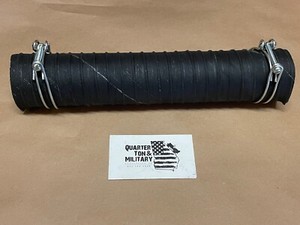
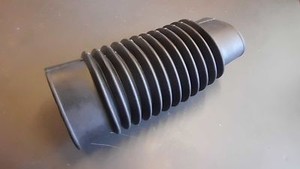
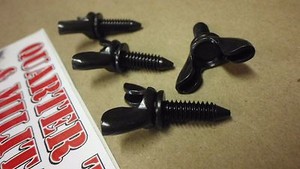
More Willys parts
Filtering for WillysBrowse nearby Willys inventory without leaving this page. Use search to filter by price, part number, or city.
No Data Available
Please check back soon when more inventory is available for this part.
Willys Engineering Excellence & Historical Significance
Willys' engineering excellence extended beyond military applications through innovations in station wagon design, featuring advanced unit-body construction that reduced weight while improving structural integrity. The company's commitment to durability and functionality created vehicles that remain highly sought after by collectors and enthusiasts who appreciate authentic American automotive engineering. Willys vehicles were often engineered with modularity in mind, enabling quick field repairs and easy adaptation for civilian or military needs. This philosophy is evident in the widespread interchangeability of certain drivetrain and suspension components across MB and CJ models, but it also introduces complexity when sourcing precise, model-specific parts for accurate restoration.
Today’s restoration landscape presents significant challenges. Authentic Willys parts are increasingly rare, with New Old Stock (NOS) components fetching premium prices—especially body panels, engine internals, and electrical system parts. The scarcity is compounded by the proliferation of reproduction parts, many of which fail to meet original specifications for material gauge, dimensions, or mounting configurations. This reality has significant implications for restorers: using substandard reproduction components can lead to fitment issues, structural weaknesses, and loss of historical value. As a result, expert restoration requires a deep understanding of Willys' unique engineering standards and an ability to authenticate components rigorously.
Authenticity checks are vital for preserving both function and value. Genuine Willys parts can often be identified by original part numbers, manufacturing marks, and the presence of specific material finishes or rivet patterns. Documentation is crucial; provenance records, period reference guides, and expert consultations help distinguish between true NOS items and high-quality reproductions or counterfeits. Given the prevalence of dimensionally incorrect reproductions, even minor deviations can have cascading effects in restoration, underscoring the importance of technical scrutiny at every stage.
Strategic sourcing is the cornerstone of successful Willys restoration. Building relationships with NOS suppliers and Willys specialists, participating in enthusiast communities, and leveraging technical resources like Willys engine components and Willys body restoration components provide invaluable support. Prioritizing the acquisition of high-scarcity components early in the restoration process helps avoid costly delays or compromises. Awareness of evolving industry standards, as outlined by government materials technology initiatives, ensures restorers utilize best practices in both materials selection and assembly. Ultimately, successful Willys restoration is a blend of historical research, technical precision, and careful network-building, all underpinned by a deep appreciation for the brand’s enduring engineering legacy.
Willys Parts & Restoration Information
Engine Rebuild & Component Sourcing
L-134 Go Devil engines require authentic internal components with proper tolerances for reliable operation. Focus on sourcing genuine pistons, rings, and timing components from verified NOS suppliers. Carburetor rebuilds need authentic Rochester or Carter components to maintain proper fuel delivery and idle characteristics.
Body Panel Restoration Strategy
Prioritize original body panels over reproductions when possible, as authentic panels maintain proper gauge steel and mounting configurations. Reproduction panels often require extensive modification for proper fitment and may compromise restoration authenticity. Plan restoration sequence to maximize use of available authentic components.
Electrical System Restoration
Willys electrical systems require period-correct components matched to specific voltage configurations (6V, 12V, or 24V military). Use authentic wire harnesses when available, as modern reproductions often use incorrect gauge wire and connector types. Generator and voltage regulator rebuilds require specialized knowledge of vintage electrical systems.
Authentication & Documentation
Maintain detailed documentation of all authentic components including part numbers, manufacturing marks, and provenance records. Use established authentication guides and consult with Willys specialists to verify component authenticity. Document restoration process to preserve historical accuracy and maintain investment value.
References
- Vehicle, Car Seat, Tire, and Equipment Recalls - National Highway Traffic Safety Administration, accessed 2024-06-01Supports Willys recalls, model authenticity, and historical context of vehicle safety.
- Fuel Efficiency - United States Department of Energy, accessed 2024-06-01Foundational for fuel economy standards, engine efficiency discussion, and technical reference.
- Materials Technologies - United States Department of Energy, accessed 2024-06-01Establishes standards in material selection, manufacturing evolution, and technical constraints for restoration.
Related Guides & Articles

Willys MB Military Jeep Complete Restoration Guide
Comprehensive restoration procedures for authentic Willys MB military vehicles, including proper sourcing of NOS components and historical accuracy requirements. Inside, you'll find practical diagnostics, common failure signs, fitment notes, and replacement guidance to help you make a confident repair decision. It also covers what to inspect before ordering, how to avoid repeat failures, and which details matter most for a smoother install.
View Guide
Decoding Willys Part Numbers and Authenticity
Expert analysis of genuine Willys part identification, manufacturing marks, and authentication techniques for successful restoration projects. Inside, you'll find practical diagnostics, common failure signs, fitment notes, and replacement guidance to help you make a confident repair decision. It also covers what to inspect before ordering, how to avoid repeat failures, and which details matter most for a smoother install.
Read More
CJ Series Technical Specifications & Parts Interchange
Detailed technical reference for Willys CJ models covering engine specifications, drivetrain components, and parts compatibility between production years. Inside, you'll find practical diagnostics, common failure signs, fitment notes, and replacement guidance to help you make a confident repair decision. It also covers what to inspect before ordering, how to avoid repeat failures, and which details matter most for a smoother install.
View Guide
Willys Go Devil Engine Rebuild Strategies
Professional guidance for L-134 Go Devil engine restoration including authentic component sourcing and period-correct rebuild techniques. Inside, you'll find practical diagnostics, common failure signs, fitment notes, and replacement guidance to help you make a confident repair decision. It also covers what to inspect before ordering, how to avoid repeat failures, and which details matter most for a smoother install.
Read More