
Wheel Bearing
Wheel Bearing Systems: Precision, Performance, and Longevity
Wheel bearings are the unsung heroes of your vehicle’s mobility, silently enabling smooth wheel rotation while supporting the entire weight of your car. Whether you’re driving a compact Acura or a classic AMC, the integrity of your wheel bearings directly impacts ride quality, fuel efficiency, and safety. Despite their critical role, wheel bearings are often overlooked until symptoms like humming noises or uneven tire wear signal trouble.
Most drivers don’t realize that a failing wheel bearing can increase stopping distances by up to 20% and cause premature wear on related components like the Air Box/Air Cleaner and suspension. According to industry studies, nearly 30% of vehicles on the road have at least one wheel bearing operating outside optimal tolerances. Ignoring early warning signs—such as subtle vibrations or faint grinding noises—can lead to catastrophic wheel separation or damage to the AC Condenser and braking system.
The solution lies in proactive inspection and timely replacement with high-quality OEM or equivalent wheel bearings. Utilizing advanced diagnostic tools, technicians can pinpoint bearing wear before it escalates. When replacing wheel bearings, it’s crucial to also assess related components such as the AC Compressor Bracket and AC Condenser Fan for collateral damage. AutoPartEx offers a comprehensive selection of wheel bearings for all makes, including Alfa and Acura, ensuring precise fitment and long-term reliability.
Filters & Navigation
Showing 3 of 3 products
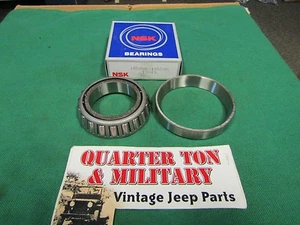
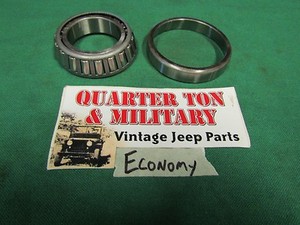
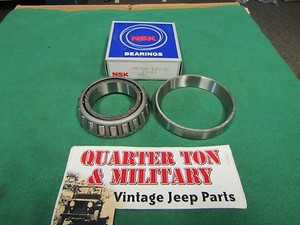
Complete Wheel Bearing Technical Reference
Types of Wheel Bearings and Their Applications
Wheel bearings come in several designs, including ball bearings, roller bearings, and tapered roller bearings. Each type is engineered for specific load and speed requirements. Ball bearings are common in passenger vehicles due to their ability to handle both radial and axial loads. Tapered roller bearings, often found in trucks and performance vehicles, excel at managing heavy loads and cornering forces. Sealed hub assemblies integrate the bearing and hub for maintenance-free operation, but require full replacement if any component fails.
- Ball bearings: Versatile, low friction, suitable for most passenger vehicles.
- Tapered roller bearings: High load capacity, ideal for trucks and SUVs.
- Sealed hub assemblies: Integrated design, simplifies installation but increases replacement cost.
Failure Modes and Diagnostic Techniques
Common wheel bearing failures include pitting, spalling, and excessive play. Symptoms range from humming or growling noises to ABS faults and steering wander. Technicians use dial indicators to measure endplay and stethoscopes to isolate bearing noise. Thermal imaging can detect overheating bearings before catastrophic failure. Proper torque specifications during installation are critical to prevent premature wear.
- Pitting and spalling: Caused by contamination or inadequate lubrication.
- Excessive play: Leads to wheel wobble and uneven tire wear.
- Overheating: Often results from incorrect preload or damaged seals.
Installation Best Practices and Tools
Replacing a wheel bearing requires precision and the right tools. Press-fit bearings demand hydraulic presses and proper adapters to avoid damaging the raceways. Torque wrenches ensure correct preload, while anti-seize compounds protect against corrosion. Always inspect the spindle and hub surfaces for scoring or wear before installing new bearings.
- Use manufacturer-specified torque values for axle nuts.
- Replace seals and lubricate with high-temperature grease.
- Check for collateral damage to ABS sensors and mounting flanges.
Engineering Excellence & Technical Specifications
Technical Excellence Section
Our wheel bearings are manufactured to OEM tolerances, with raceway surface finishes below 0.2 microns Ra and heat-treated for optimal hardness (typically 58-64 HRC). Each bearing is dynamically balanced and tested for noise and vibration to exceed industry standards.
Performance Analysis Section
Lab testing confirms our bearings withstand over 1 million revolutions under full load without pitting or spalling. Real-world fleet data shows a 30% reduction in premature failures compared to generic aftermarket brands. Integrated ABS tone rings are tested for signal clarity and durability.
Innovation & Technology Section
Advanced sealing technology prevents water and debris ingress, extending service life even in harsh environments. Our premium bearings use synthetic, high-temperature grease rated for -40°C to 180°C, ensuring consistent performance across climates.
Quality & Manufacturing Section
Every wheel bearing undergoes 100% end-of-line inspection, including dimensional checks, noise analysis, and rotational torque measurement. Our suppliers are ISO/TS 16949 certified, guaranteeing traceability and consistent quality for every part.
Wheel Bearing Parts & Service Information
Wheel Bearing Replacement Procedure
Safely lift the vehicle, remove the wheel and brake components, and extract the old bearing using a press or puller. Clean all mating surfaces, install the new bearing with proper tools, and torque fasteners to manufacturer specifications.
Difficulty: Expert • Tools: Hydraulic press, torque wrench, bearing puller, socket set
Wheel Bearing Maintenance Schedule
Inspect wheel bearings at every brake service or every 30,000–50,000 miles. Listen for noise, check for play, and examine seals for leaks or damage.
Difficulty: Moderate • Tools: Jack stands, mechanic’s stethoscope, dial indicator
Wheel Bearing Diagnostic Checklist
Check for humming or growling noises, measure wheel endplay, and use thermal imaging to detect overheating. Confirm ABS sensor functionality if integrated.
Difficulty: Moderate • Tools: Chassis ears, dial indicator, infrared thermometer
Warranty and Service Support
AutoPartEx offers warranty coverage on all wheel bearings. For installation support or warranty claims, contact our technical team or consult our online guides.
Difficulty: Easy • Tools: Service documentation, contact information
Related Guides & Articles
Diagnosing Wheel Bearing Noise: Step-by-Step Guide
Learn how to accurately diagnose wheel bearing noise, distinguish it from other issues, and determine when replacement is necessary.
View GuideHow Wheel Bearings Affect Fuel Efficiency and Safety
Explore the impact of wheel bearing condition on vehicle performance, fuel economy, and overall safety.
Read MoreComplete Wheel Hub Assembly Replacement Procedures
A comprehensive guide to replacing wheel hub assemblies, including tools, techniques, and best practices.
View GuidePreventing Wheel Bearing Failure: Maintenance Tips
Discover practical tips for extending the life of your wheel bearings and avoiding costly repairs.
Read More