
Fuel Tank Sending Unit
Fuel Tank Sending Unit: Precision Fuel Level Monitoring and Diagnostics
The fuel tank sending unit is the unsung hero of your vehicle’s fuel system, quietly relaying real-time fuel level data to your dashboard. Without this critical component, drivers would be left guessing how much fuel remains, risking unexpected stalls and inaccurate range calculations. Modern sending units are engineered for precision, durability, and seamless integration with advanced vehicle electronics.
Most drivers don’t realize that a faulty fuel tank sending unit can cause more than just an inaccurate fuel gauge. A malfunctioning unit can trigger false low-fuel warnings, disrupt engine management systems, and even affect emissions diagnostics. In fact, studies show that up to 15% of vehicles over 10 years old experience sending unit inaccuracies, leading to unnecessary fuel stops or, worse, running out of fuel unexpectedly. Issues can also arise from corrosion, electrical faults, or contamination—problems that may be overlooked during routine service. Related components, such as the Air Box/Air Cleaner and AC Compressor, can also influence overall system performance.
The solution lies in accurate diagnostics and high-quality replacement parts. Technicians should inspect wiring, connectors, and the sending unit itself, using scan tools to verify sensor outputs. Upgrading to OEM or premium aftermarket sending units ensures compatibility and longevity. Pairing a new sending unit with a clean Air Box/Air Cleaner and a properly functioning AC Compressor can restore system integrity. For best results, always follow manufacturer guidelines and consider replacing related seals and filters during service.
Filters & Navigation
Showing 4 of 4 products
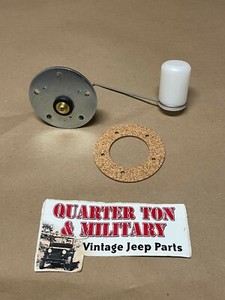
Complete Fuel Tank Sending Unit Technical Reference
Fuel Level Sensing Technology
Most fuel tank sending units use a float attached to a variable resistor (rheostat) to measure fuel level. As the fuel level changes, the float moves, altering the resistance and sending a corresponding signal to the fuel gauge or ECU. Some modern vehicles use capacitive or ultrasonic sensors for improved accuracy and reliability.
- Float arm travel is calibrated to match tank geometry for precise readings.
- Resistor cards are rated for millions of cycles to withstand daily use.
- Digital sensors offer improved resistance to contamination and corrosion.
Common Failure Modes
Failure can result from mechanical wear, corrosion, electrical faults, or contamination. Ethanol fuels accelerate corrosion, while debris in the tank can jam the float. Electrical issues often stem from poor ground connections or damaged wiring harnesses.
- Corroded contacts increase resistance, causing gauge inaccuracies.
- Stuck floats can result in a permanently full or empty reading.
- Integrated pump/sender assemblies require careful handling to avoid damage.
Testing and Replacement Procedures
Testing involves measuring resistance across the sender terminals while moving the float through its range. Replacement requires safe fuel tank removal, proper handling of hazardous materials, and precise installation to prevent leaks or electrical faults.
- Always disconnect the battery before servicing the fuel system.
- Use a fuel-safe container to catch residual fuel during tank removal.
- Inspect and replace tank seals and filters as needed.
Engineering Excellence & Technical Specifications
Technical Excellence Section
Our sending units feature precision-matched resistor cards, float arms calibrated to tank geometry, and connectors designed for secure, low-resistance electrical contact. Resistance ranges are matched to manufacturer specifications for accurate gauge readings.
Performance Analysis Section
Performance testing includes cycle durability (over 1 million cycles), resistance to ethanol-induced corrosion, and float buoyancy validation. Units are tested for less than 2% deviation from true fuel level across the entire range.
Innovation & Technology Section
Advanced models utilize digital sensors and integrated diagnostics, supporting CAN bus communication and real-time error reporting. Materials are selected for compatibility with modern fuel blends, including E10 and E85.
Quality & Manufacturing Section
Manufactured in ISO-certified facilities, each sending unit undergoes 100% end-of-line testing for electrical continuity, float movement, and leak integrity. Quality control ensures long-term reliability and compatibility with a wide range of vehicle makes and models.
Fuel Tank Sending Unit Parts & Service Information
Testing a Fuel Tank Sending Unit
Measure resistance across the sending unit terminals while moving the float through its range. Compare readings to manufacturer specifications to confirm proper operation.
Difficulty: Moderate • Tools: Multimeter, wiring diagram, safety gloves
Routine Maintenance for Fuel System
Inspect the fuel tank and sending unit for corrosion, contamination, and secure electrical connections. Replace seals and filters as needed to prevent leaks and ensure accurate readings.
Difficulty: Easy • Tools: Inspection mirror, flashlight, replacement seals
Diagnosing Fuel Gauge Issues
Check for erratic or inaccurate gauge readings. Test wiring continuity, inspect grounds, and verify sending unit resistance. Replace faulty components as necessary.
Difficulty: Moderate • Tools: Multimeter, wiring repair kit, service manual
Replacing a Fuel Tank Sending Unit
Safely relieve fuel system pressure, disconnect the battery, and remove the fuel tank. Replace the sending unit, ensuring all seals and connectors are properly installed to prevent leaks.
Difficulty: Expert • Tools: Socket set, fuel line disconnect tool, safety equipment
Related Guides & Articles
Diagnosing Fuel Gauge Inaccuracies
A step-by-step guide to identifying and resolving common fuel gauge and sending unit issues, including resistance testing and float inspection.
View GuideHow Ethanol Fuels Impact Fuel Sending Units
Explore the effects of ethanol-blended fuels on sending unit longevity and what you can do to prevent premature failure.
Read MoreReplacing a Fuel Tank Sending Unit: Tools and Tips
Comprehensive instructions for safely removing and installing a new fuel tank sending unit, including safety precautions and calibration steps.
View GuideUnderstanding Modern Fuel System Electronics
A deep dive into how digital sending units and ECUs work together for precise fuel management in today’s vehicles.
Read More