
Front Door Hinge
Front Door Hinge: Precision Engineering for Smooth Entry and Structural Integrity
Front door hinges are the unsung heroes of vehicle accessibility and safety, ensuring every entry and exit is smooth, secure, and silent. While most drivers rarely notice them, these components bear the brunt of daily use, supporting the weight of the door and maintaining critical alignment for weather sealing and crash safety. A compromised hinge can lead to misaligned doors, wind noise, water leaks, and even compromised side-impact protection.
Most vehicle owners don't realize that a worn or misaligned front door hinge can increase door sag by up to 5mm, causing latch misalignment and premature wear on weather seals. Over time, this can lead to water intrusion, increased cabin noise, and even electrical issues if wiring harnesses are pinched. Unlike more visible components like the Air Box/Air Cleaner or AC Compressor, hinges operate quietly in the background—until they fail, often without warning.
The solution lies in selecting high-quality, vehicle-specific front door hinges and following precise installation procedures. Upgrading to OEM or premium aftermarket hinges ensures proper fitment and longevity. Technicians should inspect related components such as the AC Compressor Bracket and AC Condenser for signs of misalignment or stress. Lubrication with the correct grease and periodic inspection can extend hinge life. For vehicles with advanced door electronics, always verify wiring integrity during hinge service.
Filters & Navigation
Showing 4 of 4 products
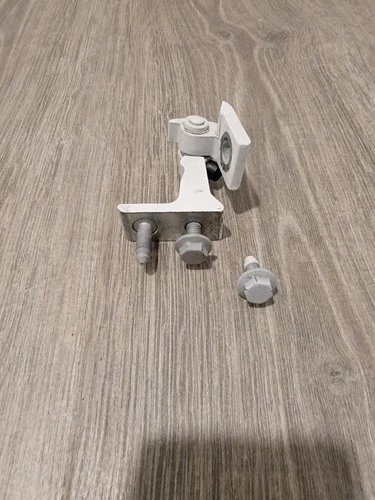
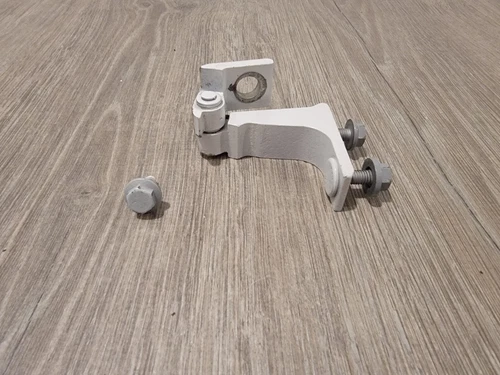
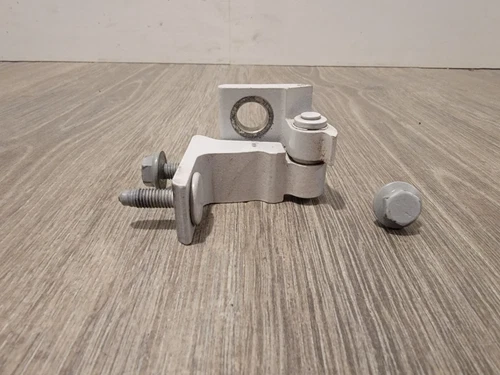
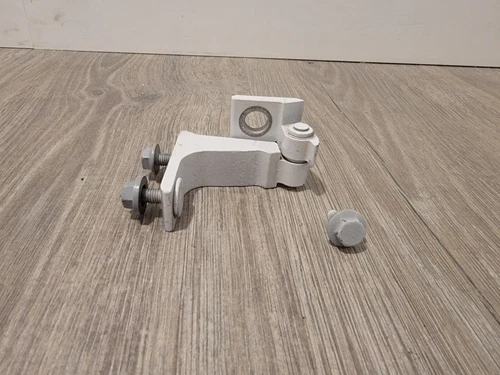
Complete Front Door Hinge Technical Reference
Material Science and Corrosion Resistance
Front door hinges are typically constructed from high-strength steel alloys, often treated with zinc or phosphate coatings to resist corrosion. Some premium models use stainless steel or incorporate polymer bushings to reduce friction and wear. The choice of material directly impacts the hinge's load-bearing capacity and longevity, especially in regions with high humidity or road salt exposure.
- OEM hinges often exceed 500-hour salt spray resistance tests.
- Polymer bushings can reduce friction by up to 40% compared to metal-on-metal designs.
- Aftermarket hinges may vary in coating thickness, affecting long-term durability.
Alignment, Adjustment, and Installation Procedures
Proper alignment is critical for door operation and sealing. Technicians use precision jigs and torque specifications to ensure hinges are installed at the correct angle and depth. Misalignment as small as 2mm can cause latch engagement issues and wind noise. Some vehicles require door removal for hinge replacement, while others allow in-place service with specialized tools.
- Torque specs typically range from 18-30 Nm for hinge bolts.
- Shims may be used to fine-tune door position relative to the body.
- Always check for smooth door movement and consistent panel gaps after installation.
Integrated Features and Advanced Designs
Modern front door hinges may include integrated check straps, detents for holding the door open, or channels for wiring harnesses. These features add complexity but improve user experience and safety. Some luxury vehicles use soft-close mechanisms or electronic sensors within the hinge assembly.
- Integrated check straps can withstand over 100,000 open/close cycles.
- Wiring channels must be inspected for chafing during hinge service.
- Soft-close systems require precise calibration after hinge replacement.
Engineering Excellence & Technical Specifications
Technical Excellence Section
OEM front door hinges are subjected to rigorous fatigue and corrosion testing, often exceeding 100,000 open/close cycles and 500-hour salt spray resistance. Advanced metallurgy and coatings ensure long-term performance even in harsh environments.
Performance Analysis Section
Performance metrics include door sag tolerance (typically less than 2mm over 100,000 cycles), friction coefficients for smooth operation, and resistance to impact deformation. Comparative testing shows that high-quality hinges maintain alignment and sealing far longer than budget alternatives.
Innovation & Technology Section
Recent innovations include integrated check straps, polymer bushings for reduced noise, and wiring channels for advanced door electronics. Some luxury vehicles feature soft-close mechanisms and electronic sensors within the hinge assembly.
Quality & Manufacturing Section
Manufacturing processes involve precision stamping, CNC machining, and multi-stage coating applications. Quality control includes dimensional checks, load testing, and corrosion resistance verification to ensure every hinge meets strict OEM standards.
Front Door Hinge Parts & Service Information
Hinge Replacement Procedure
Safely support the door, remove hinge bolts, and install the new hinge using OEM torque specs (18-30 Nm). Use shims for precise alignment and check for smooth operation.
Difficulty: Moderate • Tools: Socket set, torque wrench, door support/jack, shims
Routine Hinge Maintenance
Inspect hinges annually for corrosion or wear. Apply high-quality grease to pivot points and check for smooth movement. Address any squeaks or stiffness promptly.
Difficulty: Easy • Tools: Grease, rag, inspection mirror
Diagnosing Door Sag
Check for uneven panel gaps, difficulty closing, or visible drop. Use a feeler gauge to measure sag and inspect for worn bushings or elongated holes.
Difficulty: Moderate • Tools: Feeler gauge, flashlight, inspection mirror
Warranty and Service Recommendations
Use OEM or high-quality aftermarket hinges for best results. Document alignment before and after service. For vehicles with electronic door features, recalibrate sensors as needed.
Difficulty: Expert • Tools: Service manual, diagnostic scanner (if applicable), documentation tools
Related Guides & Articles
Diagnosing Door Sag and Misalignment
A comprehensive guide to identifying and correcting door sag caused by worn or damaged front door hinges, including measurement techniques and adjustment procedures.
View GuideHow Corrosion Affects Door Hinges and What You Can Do
Explore the impact of rust on front door hinges, preventive maintenance tips, and the importance of proper coatings.
Read MoreReplacing Front Door Hinges: Step-by-Step Instructions
Step-by-step instructions for safely removing and installing front door hinges, including alignment and torque specifications.
View GuideOEM vs. Aftermarket Hinges: What Matters Most?
A technical comparison of OEM and aftermarket front door hinges, focusing on material quality, fitment, and long-term durability.
Read More